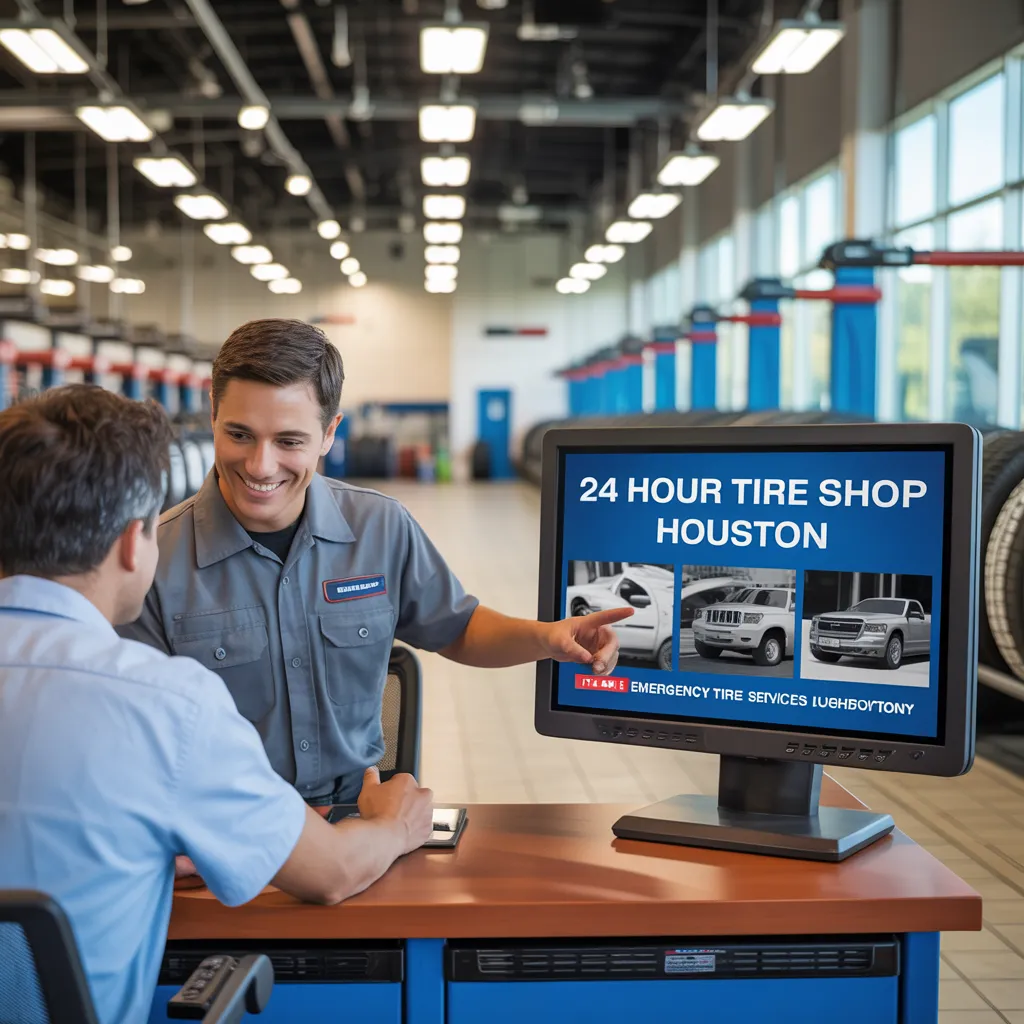
24 Hour Tire Shop Houston for Emergency Tire Replacement
Extensive Tire Management: Encompassing Installation and Maintenance for Excellent Performance
Critical tire services play an essential function in car capability and safety. From placement to routine maintenance, any step is important. Periodic assessments can discover obscured troubles that may threaten safety. Appreciating the significance of tire cycles and alignments contributes to balanced degradation and a seamless ride. Still, countless car owners miss key components of tire care. What are the principal services that can strengthen both longevity and capability?
The Criticality of Frequent Tire Reviews for Safety
Routine tire assessments are vital in guaranteeing vehicle safety, as they can prevent accidents caused by tire failures. These examinations involve checking for additional article tread wear, air pressure, and visible damages such as cuts or bulges. Maintaining proper tire pressure is essential; under-inflated tires can lead to blowouts, while over-inflated tires may reduce traction. Additionally, inspecting tread depth is vital for effective grip, particularly in adverse weather conditions.
Periodic assessments can also recognize uneven wear marks, which might suggest alignment or suspension issues. Addressing these problems promptly can boost vehicle performance and prolong tire life. Moreover, regular inspections encourage a practice of proactive vehicle maintenance, reinforcing overall road safety. By prioritizing tire inspections, car owners can greatly reduce the risk of tire-related incidents and guarantee a more secure driving experience for themselves, their passengers, and others on the road.
Essential Tire Options Every Vehicle Owner Should Learn About
While many car owners emphasize oil changes and brake inspections, comprehending key tire services is equally vital for ensuring safety and performance. Regular tire rotations guarantee even wear, extending the lifespan of tires and boosting traction. Moreover, proper tire balancing prevents vibrations, enhancing ride quality and protecting suspension components.
Tire pressure regulation is paramount; upholding correct pressure bolsters fuel mileage and cuts the risk of blowouts. Seasonal tire adjustments, such as switching to winter tires, offer better hold in adverse conditions. In addition, alignment checks are vital, as wheel misalignment can lead to uneven tire wear and poor handling.
These offerings are not simply recommendations; they are crucial for peak vehicle operation. Vehicle owners must be active in arranging these key tire services to secure their protection on the road and enhance the general efficiency of their vehicles.
Steps for Properly Installing Tires to Achieve Optimal Efficiency
Proper tire installation is key for achieving peak vehicle performance and safety. To commence, it is important to select the correct tire size and type, as specified in the vehicle's manual. Before beginning installation, the technician should inspect the wheel for issues or corrosion, ensuring a proper fit. The tire must be mounted on the wheel, aligning the valve stem with the designated area. Next, balancing the tire is necessary to prevent vibrations that can affect handling and wear. Proper torque specifications must be observed when tightening lug nuts, generally using a crisscross pattern to ensure even pressure. After installation, checking the tire pressure is essential, as both overinflation and underinflation can result in handling challenges and decreased fuel efficiency. Lastly, a test drive can help confirm that the tires are installed correctly, allowing the driver to experience optimal performance and safety on the road.
Tire Rotations and Alignments: Essential Work Explained
Tire rotations and alignments are vital aspects of car servicing that substantially affect performance and safety. Routine tire rotation helps ensure consistent wear, increasing the service life of tires. Proper alignment enhances handling and fuel efficiency, ultimately fostering a more enjoyable ride.
Benefits of Regular Tire Rotation
Routine tire rotation is a vital component of vehicle upkeep that greatly extends the life span of tires. This practice entails periodically changing the position of each tire to ensure uniform wear across all four tires. As tires wear differently depending on their location—front tires often bearing more weight and experiencing different forces than rear tires—rotation helps maintain balanced tread depth. This not just promotes improved grip and handling but also enhances fuel efficiency. Additionally, regular rotations can prevent expensive tire replacements and improve overall safety by reducing the risk of blowouts. Ultimately, adhering to a tire rotation schedule is essential for peak vehicle performance and longevity, making it a important element of thorough tire care.
Rewards of Correct Positioning
Ensuring optimal car operation goes past tire rotation; proper alignment is equally vital. Misalignment can cause uneven tire wear, reducing the lifespan of tires and necessitating premature replacements. Additionally, a vehicle with incorrect alignment may experience handling issues, affecting safety and control. Drivers may notice a pull to one side, creating an uncomfortable and potentially hazardous driving experience. Moreover, proper alignment enhances fuel efficiency by ensuring tires make best contact with the road surface, thereby diminishing rolling resistance. Consistent alignment checks can eliminate costly repairs and improve overall driving performance. Ultimately, maintaining proper alignment is an essential aspect of vehicle care that contributes to safety, efficiency, and longevity.
How to Determine When to Replace Your Tires for Safety?
Determining when to upgrade tires is fundamental for protecting road safety. Key warning signs include monitoring tread depth and recognizing any visible signs of damage. Ongoing inspections help vehicle operators in taking informed action about tire replacement before troubles develop.
Tread Depth Indicators
How can drivers ensure their tires stay safe and effective on the road? Monitoring tread depth is crucial. Tread depth gauges, often integrated in tires, function as a vital guide. A standard practice is to replace tires when tread depth hits 2/32 of an inch, as inadequate tread compromises traction, especially in wet conditions. Drivers can also try the penny test; inserting a penny into the tread with Lincoln's head facing down can show whether the tread is adequate. If the top of Lincoln's head is visible, it is time for new tires. Frequently monitoring tread depth not only enhances safety but also improves vehicle performance, guaranteeing ideal handling and braking capabilities.
Visible Damage Markers
Routine checking tread depth is important, but visual damage signs can also show when tires need replacement. Cracks, bulges, or blisters on the tire surface often signal serious structural issues. Uneven wear patterns may suggest misalignment or other mechanical problems, necessitating immediate attention. Additionally, embedded foreign objects, such as nails or stones, can compromise tire integrity. If the tires exhibit excessive sidewall damage or significant wear indicators, it is vital to contemplate replacement for safety. Moreover, age can also affect tire performance; tires older than six years should be evaluated regardless of tread condition. Regular inspections for these visual damage signs help guarantee peak performance and safety on the road. Ignoring them could lead to hazardous driving conditions.
Tire Care Advice for Maximizing Life Span and Performance
Correct tire care can significantly improve both the longevity and function of a vehicle's tires. Frequently monitoring tire inflation is essential, as under-inflated or over-inflated tires can result in uneven wear and decreased fuel efficiency. Maintaining the correct pressure, as specified by the manufacturer, assures perfect contact with the road.
In addition, spinning tires every 5,000 to 7,500 miles can support balanced wear and extend their lifespan. Drivers should also assess tread depth consistently; a depth of 2/32 inches or less indicates it's time for replacement.
Moreover, accurate alignment and balancing help to prevent premature wear and improve handling. Keeping tires clear and free from debris can also aid to their overall health. Finally, avoiding harsh driving behaviors, such as rapid acceleration and strong braking, will not only increase tire longevity but also enhance the vehicle’s overall performance. By adhering to these care tips, drivers can maximize both longevity and efficiency.

Frequently Requested Questions
How Do Weather Conditions Impact Tire Function and Durability?
Weather circumstances significantly influence tire durability and longevity. Extreme temperature swings can produce weakened grip and faster wear, while moisture can alter adhesion. Routine monitoring and upkeep are crucial to ensure optimal tire health in varying climates.
Can I mix different Tire brands on My Vehicle?
Combining different tire manufacturers on a vehicle is generally not suggested. Variations in tread design, rubber compounds, and performance characteristics can produce uneven wear and compromised handling, potentially affecting safety and overall driving experience.
What Are the Signs of a Tire Fault?
Evidence of a tire defect encompass non-uniform wear, inflations, ruptures, tremors during driving, and loss of air pressure. Drivers should periodically review their tires to guarantee safety and peak performance on the road.
How Do I Select the Right Tire for My Vehicle?
To pick the right tire, one should consider vehicle specifications, driving conditions, climate, and personal preferences. Evaluating tread patterns, tire ratings, and consulting professionals can additionally ensure peak performance and safety for the vehicle.
Are There Environmentally Conscious Tire Options Offered?
Yes, sustainable tire options are available, comprising those made from sustainable materials and created for lower rolling resistance. These tires promote lessened carbon emissions and better fuel efficiency, assisting both the environment and vehicle performance.